Tashkent sits at 41 degrees north with a continental summer. In late July the sun sets around eight, and for the three hours before that it is low, direct and unfiltered — arriving almost horizontally through anything glazed on the west elevation. A room that was pleasant at noon becomes unusable at six.
The cooling load is the visible cost. A west-facing living room with full-height glazing and no external shading can need two to three times the cooling capacity of the same room facing north. That is a larger unit, a higher bill, and a compressor running through the evening when the family is finally at home.

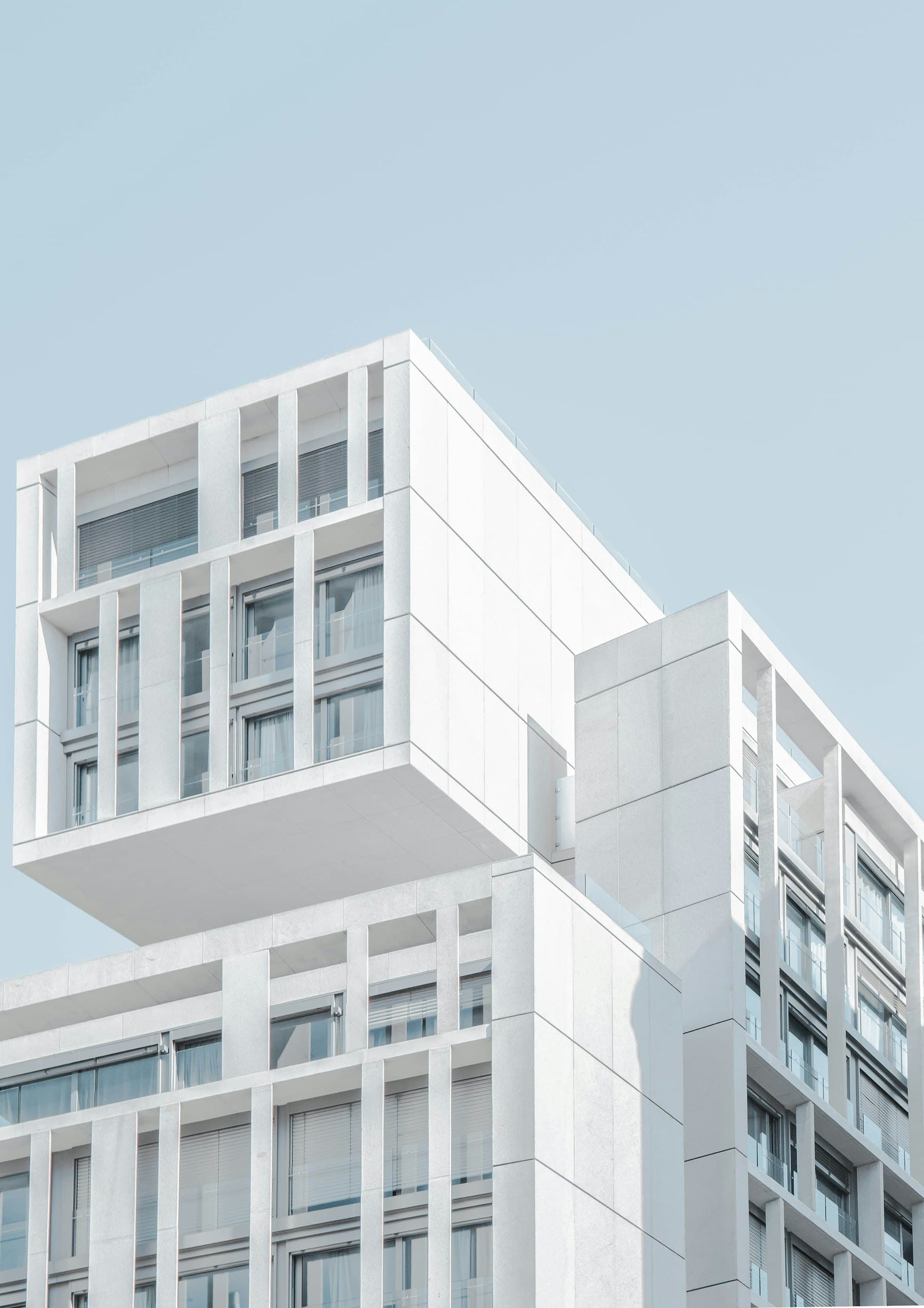
Internal blinds do not fix it. Once the radiation is through the glass it is already inside the room; a blind converts it to convected heat rather than rejecting it. The fix has to be outside the glass — a screen, a deep reveal, a brise-soleil, a balcony above.
At Nurafshon Court the entire west elevation sits behind a perforated brick screen 700 mm off the glazing. It cuts the direct gain by roughly three quarters, keeps the view, and turns the afternoon into a pattern on the floor. It also cost less than the plant we would otherwise have had to install.
If you are looking at a west-facing apartment, the question is not whether it has air conditioning. It is what stands between the sun and the glass, and whether it is on the outside.